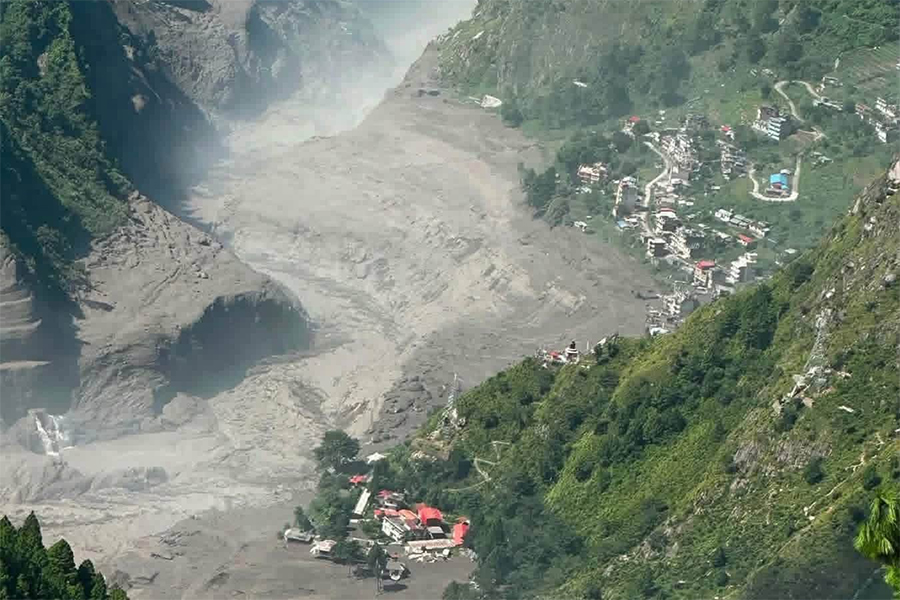
Standing in Solidarity: Devastating Flash Flood Sweeps Nepal–Tibet Border as Worldmed Mobilizes 24/7 Emergency Support
Worldmed Newsroom & Emergency Medical Operations Desk | Published: August 27, 2026
A catastrophic transboundary flash flood tore through Nepal’s northern Himalayan border region on Wednesday, August 26, leaving extensive destruction across Rasuwa, Nuwakot, and downstream river valleys.
At Worldmed, our deepest thoughts, prayers, and heartfelt sympathies go out to the victims, displaced families, local communities, and travelers impacted by this unprecedented disaster. In response to the crisis, Worldmed has activated round-the-clock emergency assistance and medical case management protocols to assist our insured members, partners, tourists, and affected individuals on the ground.
1. The Scale of the Crisis
The disaster unfolded rapidly during the morning hours when a massive surge of water, heavy silt, and boulders barreled down the Lhende Khola and into the Bhotekoshi and Trishuli river systems.
- Origin & Cause: Preliminary scientific analyses by cryosphere experts and satellite monitoring teams suggest the flood was triggered upstream on the Tibetan side of the border, where an ice-rock avalanche blocked the river flow before breaching catastrophically.
- Casualties & Missing Persons: Official reports indicate over 150 confirmed fatalities, with nearly 400 people still unaccounted for—including local residents, daily wage earners, security personnel, and international trekking tourists.
- Infrastructure Impact: The wall of water destroyed border customs posts at Rasuwagadhi and Timure, washed away nearly 40 kilometers of roadways, collapsed 19 motorable bridges, and caused severe damage to nine major hydropower installations and river monitoring stations.
Downstream settlements, including Syaphrubesi, Betrawati, Sole, and Akkare Bazaar, suffered immense structural damage, leaving key transit corridors entirely cut off.
2. Understanding the Transboundary Challenge
The sudden nature of the flood gave residents almost no warning. While downstream early alerts managed to move some communities to higher ground in Nuwakot and Dhading, the event underscores the growing vulnerability of high-altitude Himalayan catchments.
Institutions like the International Centre for Integrated Mountain Development (ICIMOD) have highlighted that cascading cryosphere hazards—such as avalanches and landslide-dam outbursts—require enhanced cross-border data-sharing and real-time sensor networks to protect vulnerable communities and visitors alike.
3. Worldmed’s Commitment: Active 24/7 Emergency Assistance
In times of natural disasters, timely medical coordination and emergency logistics save lives. Worldmed remains fully operational and closely monitors the situation across Rasuwa and Central Nepal.
Our specialized medical operations team is actively coordinating:
- Emergency Medical Evacuations: Facilitating ground and rotary-wing (helicopter) extractions for injured or stranded policyholders in coordination with local aviation and disaster response authorities.
- Hospital Admission & Case Management: Direct liaison with tertiary care centers and trauma units in Kathmandu and surrounding districts for immediate medical stabilization.
- Insurance Coordination & Guarantee of Payment (GOP): Streamlining claims processing and emergency payment guarantees so patients receive urgent medical attention without financial delays.
- Assistance for Foreign Travelers & Trekkers: Working with international insurers, embassies, and local ground handlers to locate missing travelers and provide family liaison support.
4. Emergency Contact Information
If you, your loved ones, or your insured clients require immediate assistance, medical coordination, or emergency extraction support in Nepal, our 24/7 operations desk is available through our dedicated emergency hotline and online portal:
|
24/7 Emergency Assistance Line: +977 9818715468 | +977 9801985761 |
Worldmed stands united with Nepal. We remain committed to providing compassionate, fast, and dependable care throughout this challenging time.
5. Verified News & Scientific References
This update is compiled using verified reports and updates from leading disaster monitoring agencies and international media to provide accurate situation analysis:
- BBC News: Nepal flash flood coverage and border damage assessments — https://www.bbc.com/news/articles/cx2zyerv2lmo
- The Kathmandu Post: Nepal flash flood kills at least 157, leaves nearly 400 missing including foreign tourists — https://kathmandupost.com/national/2026/08/26/nepal-flash-flood-kills-at-least-95-leaves-nearly-400-missing-including-foreign-tourists
- ICIMOD Press Release: Major flash flood sweeps through Nepal's Rasuwa district, raising fears of further downstream flooding — https://www.icimod.org/press-release/major-flash-flood-sweeps-through-nepals-rasuwa-district-raising-fears-of-further-downstream-flooding/
- Ratopati English: Nepal's flood coverage in global media: From breaking news to in-depth analysis — https://english.ratopati.com/story/76588/nepals-flood-coverage-in-global-media-from-breaking-to-in-depth-analysis
.jpg)
.png)
.png)